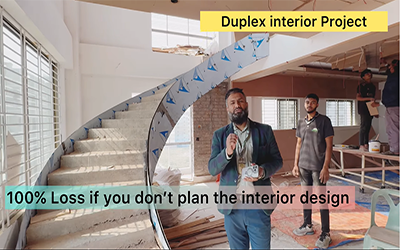
Here is a detailed explanation of the common mistakes people make while constructing buildings, written in point form for easy explanation. Each point includes an in-depth explanation to help your audience understand and avoid these pitfalls.
Common Mistakes People Make During Building Construction
1. Lack of a Clear and Detailed Plan:
Many people start construction without a complete and detailed architectural and structural design. This leads to confusion during construction, changes in the middle of the project, and unnecessary delays.
A well-thought-out plan ensures all technical, aesthetic, and functional requirements are met, reducing errors and rework.
2. Ignoring Professional Help:
Some people avoid hiring architects, engineers, or project managers to save money. Instead, they rely on unqualified contractors or their own limited knowledge.
This approach often results in poor design, structural issues, and higher long-term costs due to repairs and maintenance.
3. Compromising on Materials:
Using low-quality or cheap materials to save costs is a common mistake. Poor materials can lead to structural weaknesses, faster wear and tear, and higher repair costs over time.
It is essential to strike a balance between cost and quality, ensuring materials meet safety and durability standards.
4. Improper Soil Testing and Site Analysis:
Neglecting proper soil testing before starting construction can cause major structural issues later, such as foundation settlement, cracks, or even collapse.
A proper site analysis helps identify potential risks like waterlogging, soil instability, or slope-related challenges.
5. Overlooking Structural Design:
Some people underestimate the importance of structural design and fail to consult a structural engineer. They might build larger or taller structures than the foundation or frame can handle.
This mistake compromises the safety and longevity of the building, leading to expensive repairs or even catastrophic failures.
6. Poor Budget Planning:
Failing to create a realistic budget is another common mistake. Many homeowners underestimate costs or fail to account for contingencies, resulting in financial strain or project delays.
A detailed budget should include construction, materials, labor, permits, and a contingency fund (10-15% extra) for unexpected expenses.
7. Neglecting Local Building Codes and Permits:
Ignoring local building codes and regulations can result in fines, project delays, or even demolition orders.
It is vital to consult professionals and ensure all necessary permits and approvals are obtained before starting construction.
8. Inadequate Waterproofing and Drainage Systems:
Poor waterproofing and inadequate drainage are frequent issues, especially in areas with heavy rainfall or high water tables.
This can cause leaks, damp walls, and structural damage. Proper waterproofing and drainage systems should be planned during the design phase to avoid such problems.
9. Improper Space Utilization:
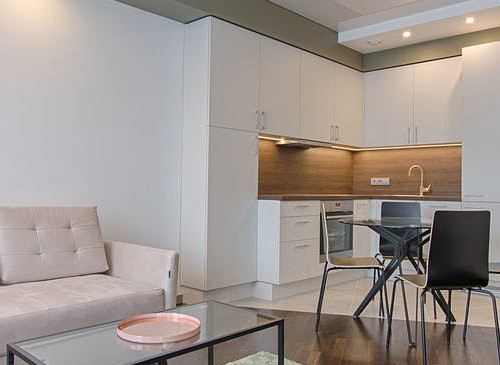
Many people fail to optimize space, leading to cramped interiors, awkward layouts, or underutilized areas.
A thoughtful design should consider the lifestyle and functional needs of the occupants, ensuring efficient use of available space.
10. Poor Ventilation and Natural Lighting:
Ignoring ventilation and lighting during the design phase can lead to dark, stuffy interiors that rely too much on artificial light and air conditioning.
A well-designed building should maximize natural light and airflow to create a healthy and energy-efficient environment.
11. Overlooking Future Needs:
Many people fail to plan for future requirements, such as expanding their family, adding more rooms, or upgrading systems.
Flexible designs that can adapt to changing needs save time and money in the long run.
12. Poor Contractor Selection:
Hiring inexperienced or untrustworthy contractors often results in substandard work, delays, and disputes.
Always vet contractors thoroughly by checking references, past projects, and credentials before hiring.
13. Inadequate Communication Among Stakeholders:
Miscommunication between architects, contractors, and clients can lead to mistakes, delays, and unsatisfactory outcomes.
Clear communication, regular meetings, and updates are essential to keep everyone aligned and ensure a smooth construction process.
14. Skipping Quality Inspections:
Many people skip or overlook regular quality checks during construction, trusting contractors to handle everything.
Regular inspections ensure the work is being carried out as per the design and standards, preventing mistakes that are harder to fix later.
15. Neglecting Sustainability and Energy Efficiency:
Failing to incorporate sustainable practices, such as energy-efficient materials, solar panels, or rainwater harvesting, results in higher operational costs.
Sustainable construction practices not only benefit the environment but also reduce long-term expenses.
16. Improper Placement of Utilities:
Placing electrical, plumbing, and HVAC systems without proper planning leads to inefficiencies and difficulties in maintenance.
Utilities should be integrated into the design phase to ensure functionality and accessibility.
17. Rushing the Construction Process:
Some people push contractors to finish quickly, leading to compromised quality and errors.
Construction should follow a realistic timeline to ensure that every stage, such as curing concrete or setting materials, is done properly.
18. Not Accounting for Seasonal Factors:
Starting construction during unfavorable weather conditions, such as heavy rains or extreme heat, can lead to delays and quality issues.
Proper planning should consider seasonal factors to avoid disruptions and ensure smooth progress.
19. Forgetting About Landscaping:
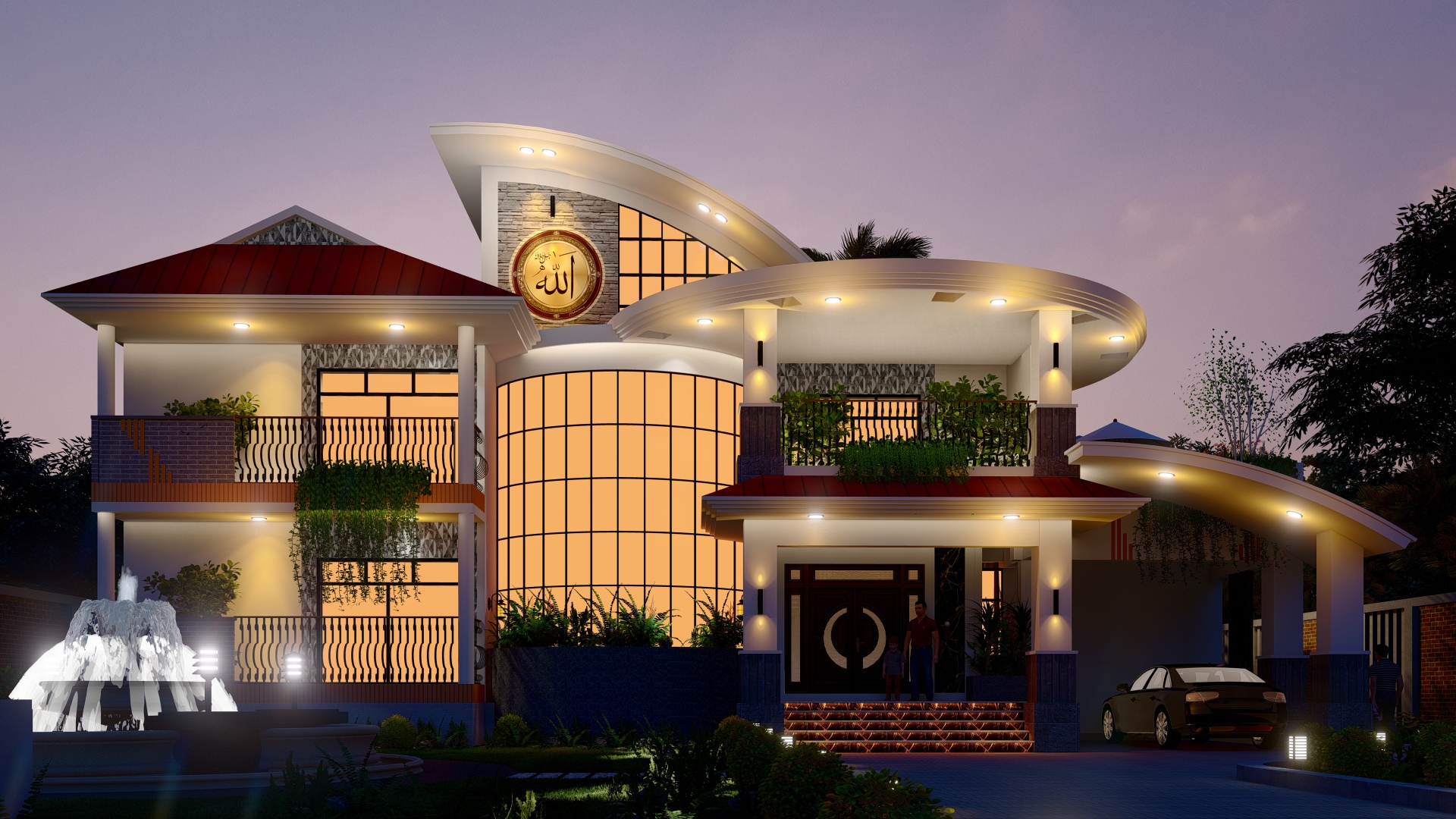
Many people ignore landscaping until the end, treating it as an afterthought. This results in poorly designed outdoor spaces.
Landscaping should be part of the overall plan, as it enhances aesthetics, functionality, and property value.
20. Lack of Emergency Planning:
Failing to include safety features such as fire exits, fireproofing, or proper ventilation for hazardous areas can lead to serious risks.
Emergency planning is crucial to protect occupants and ensure compliance with safety regulations.
Short Massage_
By addressing these common mistakes, you can ensure a smoother construction process, avoid unnecessary costs, and achieve a durable, functional, and aesthetically pleasing building. Encourage your audience to plan thoroughly, consult professionals, and focus on quality to make their construction project a success.



1pc5f0
uej7nt
uej7nt
1pc5f0
ukyrxr
ukyrxr
zeb0e0
zeb0e0